

Issue #12 | Operation Eye Bags
The “whole-body, probably-shouldn’t-do-this-all-at-once” health experiment

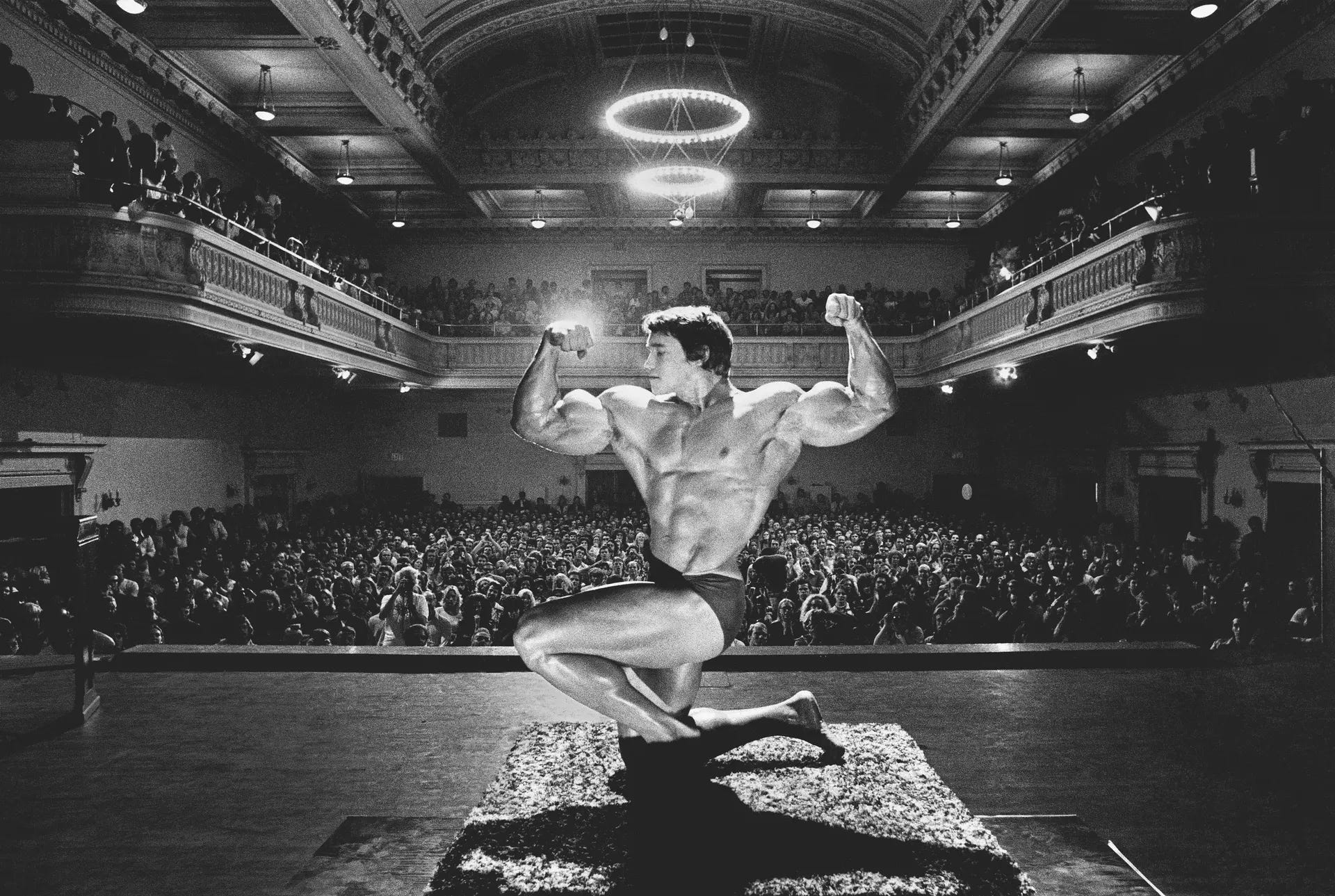
I call it “operation eye bags.” The large, dark circles under my eyes had been growing worryingly corpse-like for months. The onset of winter was a factor, but lifestyle choices were undoubtedly the bigger issue.
I consider myself a relatively healthy guy. I workout, I eat OK, I don’t have kids. But I’ve recently been feeling my years, and paying for my excesses (namely, martinis/beer and sugar).
Ups and downs in my weight and overall fitness have become a cyclical thing. By the end of 2022, I was the heaviest I’d ever been at 210 pounds. Last January, I went dry for a month, started tracking calories consumed and burned, and upped my protein intake. I was lifting weights 4-5 times a week.
The effort paid off. By summer, I was down to 190 and had noticeably more muscle. Then, in the fall and up to the holidays, I stopped calorie counting, let go of inhibitions—as one does that time of year—and rapidly put on weight again. By Jan. 1, 2024, I weighed 207 pounds.
Frustrated with these 20-pound swings, I decided to up the stakes this year by putting myself though a month-long, slightly-overboard health experiment to see if I can figure out what works, what doesn’t, and what longterm changes I need to make. I’ve gone all-in this month on a dizzying selection of plans, schemes, habits, and supplements—so many that I sometimes confuse myself.
So no menswear or style this week (except a little at the end). Introducing the first ever Front of Book health experiment.
The Diet
Over the years I’ve explored countless diets, including paleo, keto, intermittent fasting, and calorie counting, but I’ve always regressed toward the mean of eating modestly healthy but with not a lot of consideration about what I’m putting into my body. I cannot lie, I’m a fan of the drink, and of pizza, burgers, late-night snacking, and, especially, desert.
This year I decided to try Whole30, a 30-day elimination diet that forbids alcohol, sugar, dairy, wheat, grains, legumes, and a host of other things. What can you eat? A lot of fish and meats, vegetables, some fruit, nuts, and natural fats. It involves a lot of meal prep and cooking at home. After 30 days, you re-introduce the forbidden food groups one by one to see how your body reacts to each.

I combined Whole30 with the Wild Rose Herbal D-Tox, which I’ve done once a year with notable results since 2006, and I resumed calorie counting. Officially, the Whole30 program discourages calorie counting, but I had success with it last year and wanted to get back in the habit. Simply put, you can’t lose weight without a calorie deficit, and if you consume more calories than you burn, you will gain weight. For tracking, I recommend MyFitnessPal. The amount of calories you consume depends on your weight and goal, but I try to maintain a 2,400 calorie per day diet, which should result in gradual weight loss. Once I get lighter, the number of calories will have to go down accordingly.
Counting calories and tracking your diet also helps to make sure you’re getting enough protein. To build muscle, you need protein—roughly 1 to 1.5 grams of protein per pound of bodyweight per day. That is a lot of protein, and most men are drastically under-consuming it. If you eat meat for lunch and dinner, you are likely only getting half of what you need to build muscle, which makes whatever you’re doing in the gym effectively a waste of time. And unless you’re packing snacks of shrimp to take to work or eating a half-dozen chicken breasts each day, the only way you’ll get there is protein supplements. Once you start “hitting your macros,” and the gym guys say, you truly do notice a difference in terms of muscle mass and strength.
Lastly, I continued intermittent fasting, which I’ve been doing on an off for a couple years now. I follow the 16/8 approach, where you eat all of your calories during an eight hour window. So I eat my first meal at about 1 or 2 p.m., along with a protein supplement, and finish at around 9 or 10 p.m.
There are a lot of supposed benefits to intermittent fasting, but for me, they are fairly basic: Once you get used to it, food cravings drop a lot, and not just while you’re fasting but all day long. I also find I’m more focused in the morning than when I’m regularly eating breakfast, and it certainly helps for keeping weight off.
I also can’t recommend AG1 enough. The biggest benefit for me is that I haven’t had anything more than the sniffles since I started taking it over a year ago.
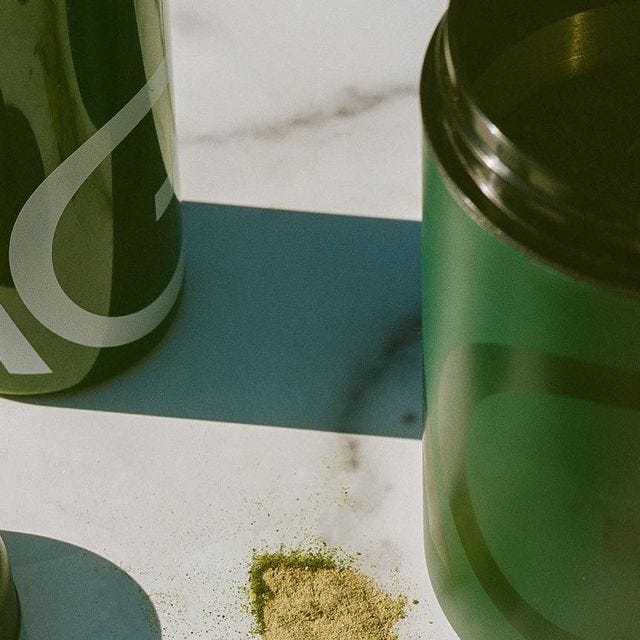
What does a typical day of eating look like? I’ll use yesterday as an example.
Lunch (2 p.m.): A half roast chicken and mixed green salad, with a drink of AG1, 28 grams of vegan protein powder, creatine, and 18 grams of collagen peptides.
Dinner: Baked salmon, zucchini and squash, and about a cup of baby potatoes.
Snacks: A drink of 28 grams of vegan protein power, a bowl of cashews, and grapes.
That totaled almost exactly 2,400 calories, including 200 grams of protein.
The Workout
Men lose muscle mass starting in middle age, and so as boring as it can be, disciplined, progressive weight training is increasingly important as we get older. Thankfully you don’t need to spend two hours a day pumping and grunting; you can do enough in 30-40 minutes 3-4 times a week, along with some cardio mixed in a few times a week. Just make sure your loads are increasing and you’re pushing yourself so that you can’t squeeze out any more reps by the end of your sets.
Following a program is key. The book Bigger Leaner Stronger is a great resource for the science behind all this, and it comes with a program. But I use the Centr app, which has a bunch of gym and at-home workout programs depending on your level and time. The workouts are short, timed, and intense. I used to do CrossFit 3-4 times a week, and although it improved my general fitness level and I enjoyed it, I didn’t see the same kinds of gains as I do by following a strict weightlifting plan. Sometimes I get bored with the receptiveness, but the Centr workouts are quick enough that I can always force myself through them. Hey, it works for Hemsworth…
I end my workouts with 15-minutes in the steam room followed by a cold shower for at least a minute, which leaves me feeling relaxed and rejuvenated and also helps for recovery.
I’ve also been following a program called the Science of Stretching, which has done wonders for my recovery time. I follow the 15-minute videos in the evening, and coupled with a magnesium bisglycinate supplement (and surely the absence of alcohol), my sleeps have been solid.
The Results (So Far)
Like with a lot of diet programs, after a short period of discomfort you see gains quickly before plateauing, and then the long slog of truly committing begins. This time around I lost eight pounds in the first week, down from 207 to 199. That 207 was recorded on New Years Day, so I had a gut full of booze and bloat, but even if you shave off a few pounds from that starting number it’s still a lot of weight loss in one week.
After a few days of hunger-related belligerence, my food cravings stopped all-together and my mood improved. But Whole30 is tough. As Front of Book reader Mike Pontone pointed out, “the absence of pleasure is pretty palpable.” And to get down to, say, 10-12% body fat, where my abs would be visible, I would probably have to follow this for a year or so. That won’t happen.
So although very little of this is sustainable, it does demonstrate what should be obvious: There is a science to this stuff, and you can’t get around it if you want to be in peak physical condition. The problem is that it requires incredible discipline, will power, and time, and it strips away a lot of the pleasures of life. I love big Italian dinners, dipping hearty bread in a red sauce; I love a second martini, followed by a shared bottle of wine; and I especially love desert.
It’s a matter of finding the balance, and I’ve always had a tough time with that. Life often feels like it’s all or nothing. Here, though, are some general rules that I think can really contribute to overall health and wellbeing for men in or near middle-age:
Calorie counting is a must to lose weight.
Intermittent fasting helps keep it off.
Progressive weight training is the key to building muscle.
But only if you consume enough protein.
(And drink AG1 for a baseline of vitamins and minerals.)
Obviously, a low(ish)-carb, high-protein diet, with no booze at all, combined with rigorous exercise, would be the best path to looking and feeling physically amazing. But we’re not training for the roles of Deadpool or Ken here; we’re just trying to be healthy. With those principles mentioned above, you can keep having fun, eating bread and tiramisu and having that extra beer here and there and not end up looking like a bloated beached walrus.
As for the eye bags, they’re still there. But I’ve still got two weeks to go. I’ll report back then on the final results then.
Rapid Fire Browser Tab Dump

As I mentioned in my introductory letter in October, I’m a prolific menswear browser tab opener. So here is a context-free dump of everything I’ve got open on Chrome right now for a style fix.
Thanks for reading. Have a drink for me this weekend, and I’ll see you next week.
Mitch
Question? Comment? Suggestion? Caught a typo? Email me at mitch.moxley@gmail.com
Have you tried LSD? Works wonders